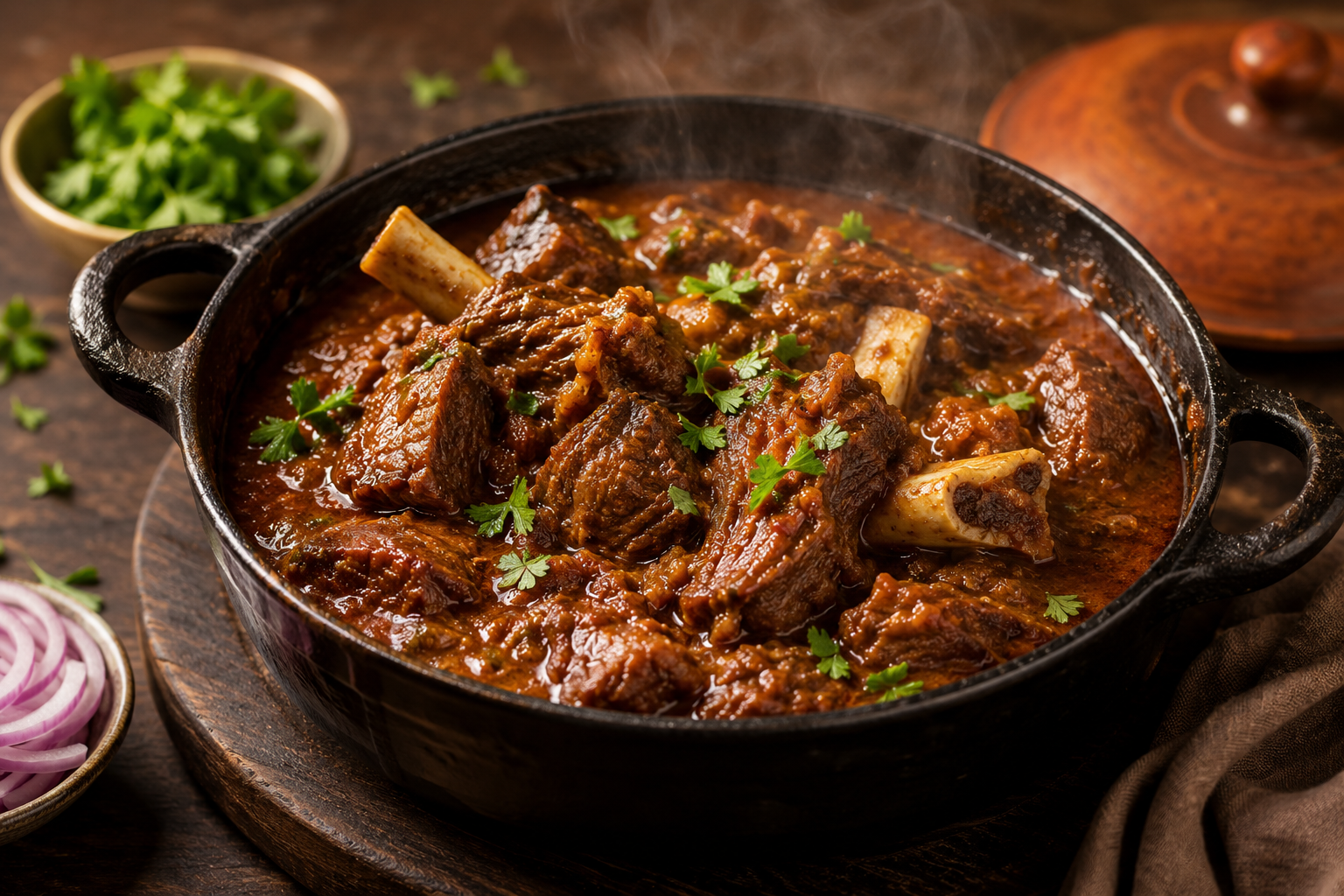
Slow-cooked mutton is known for its rich flavor, tender texture, and deep aroma that makes every meal more satisfying. Whether you are preparing traditional mutton curry in Dubai, making slow-cooked mandi in Sharjah, or cooking comforting weekend meals in Ajman, slow cooking helps transform tougher cuts into juicy and flavorful dishes.
Many home cooks struggle with chewy or dry mutton because they use the wrong cooking method or incorrect meat cuts. Slow cooking solves this problem by allowing the meat to cook gradually, helping it become soft, juicy, and full of flavor.
In this complete guide, you will learn how to slow cook mutton properly, the best cuts for slow cooking, cooking techniques, common mistakes to avoid, and expert tips for achieving restaurant-quality results at home.
Why Slow Cooking Works Best for Mutton
Mutton contains connective tissues and muscle fibers that require longer cooking times to become tender.
Slow cooking helps:
- Break down connective tissue
- Retain moisture
- Improve texture
- Enhance flavor
- Create richer gravy and broth
This is why traditional dishes like nihari, korma, mutton curry, yakhni, and mandi are usually cooked slowly over low heat.
Slow cooking also allows spices and seasonings to absorb deeply into the meat, creating more flavorful dishes.
Best Mutton Cuts for Slow Cooking
Not every mutton cut is suitable for slow cooking. Some cuts become extremely tender over low heat, while others may dry out.
The best cuts for slow cooking include:
- Shoulder
- Neck
- Ribs
- Leg
- Bone-in curry cuts
- Shank cuts
People preparing traditional recipes often prefer high-quality mutton cuts for slow-cooked curries and BBQ dishes.
These cuts contain more connective tissue and fat, which slowly soften during cooking and create juicy texture.
Bone-In vs Boneless Mutton for Slow Cooking
Bone-in mutton is usually preferred for slow cooking because the bones release collagen and marrow during cooking, creating richer flavor and thicker gravy.
Boneless mutton can still work well for stews and quick curries, but bone-in cuts generally provide deeper taste and better texture.
Many chefs and home cooks prefer cooking with premium-quality mutton because quality meat makes a noticeable difference in tenderness and flavor.
How to Prepare Mutton Before Slow Cooking
Proper preparation is important for achieving soft and flavorful mutton.
Step 1: Choose Fresh Mutton
Fresh meat cooks better and develops a richer flavor during slow cooking. Many buyers also compare the difference between lamb and mutton before choosing meat for slow-cooked recipes.
Freshness directly affects texture, tenderness, and overall taste.
Step 2: Marinate the Meat
Marination helps tenderize mutton and improve flavor.
Popular ingredients include:
- Yogurt
- Ginger garlic paste
- Lemon juice
- Papaya paste
- Salt and spices
Marinating for 4–8 hours usually gives better results.
Step 3: Bring Meat to Room Temperature
Cold meat placed directly into high heat may cook unevenly. Let the meat rest outside the refrigerator for 20–30 minutes before cooking.
Best Cooking Methods for Slow-Cooked Mutton
Different cooking methods can produce excellent slow-cooked mutton dishes.
Traditional Pot Cooking
Cooking mutton over low flame in a heavy pot is one of the most popular methods in South Asian and Middle Eastern kitchens.
This method helps create rich gravy and deep flavor.
Pressure Cooker Slow Cooking
Many UAE households use pressure cookers to reduce cooking time while still maintaining tenderness.
Lower heat after pressure cooking can further improve flavor.
Slow Cooker Method
Electric slow cookers are becoming popular because they allow hands-free cooking.
Simply add ingredients and let the cooker slowly tenderize the meat over several hours.
Oven Braising
Restaurants often use oven braising for large portions of slow-cooked lamb and mutton dishes.
This method evenly distributes heat and helps maintain moisture.
Common Mistakes to Avoid While Slow Cooking Mutton
Many people struggle with hard or dry mutton because of small cooking mistakes.
Avoid these common issues:
- Cooking on high heat
- Using lean cuts without fat
- Not marinating properly
- Adding too much water
- Cooking for too little time
- Constantly opening the lid
Better-quality meat selection also helps improve slow-cooking results significantly.
How Long Should You Slow Cook Mutton?
Cooking time depends on the cut, meat quality, and cooking method.
Approximate cooking times:
- Pressure cooker: 35–50 minutes
- Pot cooking: 2–3 hours
- Slow cooker: 6–8 hours
- Oven braising: 3–4 hours
Bone-in cuts usually take longer but produce richer flavor.
Best Spices for Slow-Cooked Mutton
Spices play a major role in enhancing flavor during slow cooking.
Popular spices include:
- Black pepper
- Cardamom
- Cinnamon
- Cloves
- Bay leaves
- Cumin
- Coriander powder
- Red chili powder
Slow cooking helps these spices blend deeply into the meat and gravy.
Slow Cooking Mutton for UAE Dishes
Slow-cooked mutton is widely used in many popular UAE and South Asian dishes. Besides rich flavor, there are several health benefits of eating mutton when consumed in balanced portions.
Popular options include:
- Mutton mandi
- Nihari
- Mutton korma
- Yakhni
- Harees
- Mutton biryani
- Stews and soups
These dishes are especially popular during family gatherings, weekends, and festive occasions.
Why Meat Quality Matters in Slow Cooking
Even the best cooking technique cannot fully improve poor-quality meat.
High-quality mutton provides:
- Better tenderness
- Richer flavor
- Less odor
- Improved texture
- Better cooking consistency
Professional kitchens and experienced home cooks always focus on meat freshness and hygiene standards before cooking.
Why UAE Families Prefer Fresh Halal Mutton
Families across Dubai, Sharjah, and Ajman often prefer fresh halal mutton because it provides better flavor and cooking results for traditional dishes.
Freshly cut mutton also absorbs spices more effectively during slow cooking.
Many households prefer ordering from trusted suppliers that provide hygienic packaging and reliable meat quality.
Why Choose Tradus for Fresh Mutton?
Many UAE families prefer ordering from trusted suppliers like Tradus for fresh halal mutton, premium-quality cuts, and reliable delivery services.
Tradus provides:
- Fresh halal mutton
- Bone-in and boneless cuts
- Hygienic packaging
- Premium-quality meat
- Reliable delivery across Dubai, Sharjah, and Ajman
Whether you are preparing traditional curries, BBQ dishes, or slow-cooked recipes, choosing high-quality mutton can significantly improve the final taste and texture.
Conclusion
Slow cooking is one of the best ways to prepare flavorful and tender mutton dishes. Using the right cut, proper marination, fresh ingredients, and low cooking temperature helps create restaurant-style results at home.
Bone-in cuts, quality spices, and patience are the keys to rich flavor and juicy texture. Whether you are cooking traditional curries, mandi, biryani, or stews, slow cooking helps bring out the best in mutton.
Choosing fresh high-quality halal meat also makes a major difference in overall cooking results and flavor.
FAQs
1. Which mutton cut is best for slow cooking?
Shoulder, neck, ribs, and leg cuts are considered best for slow cooking because they become tender over low heat.
2. Why is my slow-cooked mutton still tough?
Mutton usually becomes tough when cooked on high heat or for too little time.
3. Is bone-in mutton better for slow cooking?
Yes, bone-in mutton usually creates richer flavor and softer texture during slow cooking.
4. How long should mutton be slow cooked?
Depending on the method, mutton may require 2–8 hours for proper tenderness.
5. Can I slow cook mutton in a pressure cooker?
Yes, many people use pressure cookers followed by low simmering for better flavor and texture.
6. Where can I buy fresh halal mutton in UAE?
You can order fresh halal mutton online from Tradus with delivery available across Dubai, Sharjah, and Ajman.